End of Tenancy Cleaning in N16: A Practical, SEO-Friendly Look at Getting Your Property Ready
If you are moving out of a flat, house, or shared property in N16, one thing quickly becomes clear: end of tenancy cleaning in N16 is not just another chore on the list. It is a vital step that can help protect your deposit, leave the property in great condition, and reduce stress during an already busy move. Whether you are a tenant preparing for final inspection, a landlord getting a rental ready for new occupants, or a letting agent managing turnovers, a properly planned clean can make a noticeable difference.
N16 covers sought-after areas such as Stoke Newington, parts of Stamford Hill, and nearby neighbourhoods where rental properties range from compact studio apartments to large family homes. Because properties in this area vary widely in layout, age, and condition, end of tenancy cleaning needs to be thorough, organised, and adapted to the space. This article explores what it involves, why it matters, and how to approach it in a way that supports both cleanliness and a smooth handover.
In the sections below, you will find practical information on tasks, standards, and useful planning tips. The goal is simple: to help you understand end of tenancy cleaning in N16 clearly, while also giving your content the structure and search visibility it needs.
Why End of Tenancy Cleaning in N16 Matters
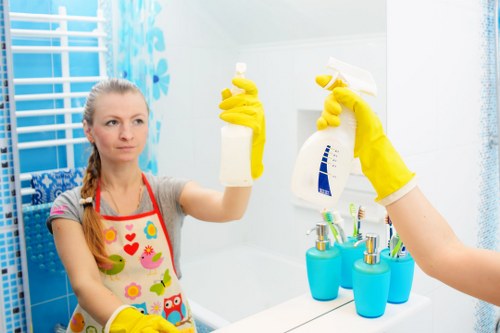
End of tenancy cleaning in N16 matters because moving out is not only about leaving a property empty; it is about leaving it in the condition expected under a tenancy agreement. Many tenancy contracts require the property to be returned in a professionally clean state. Even when this is not worded exactly the same way, landlords and letting agents usually expect a very high standard of cleanliness.
For tenants, that means more than vacuuming the floor or wiping a few surfaces. It means taking care of hidden areas, sanitising touchpoints, and dealing with built-up grime that often gets overlooked during everyday cleaning. For landlords, it means receiving a property that is ready for inspections, photographs, inventory checks, or immediate re-letting.
In a busy rental area like N16, where tenants come and go regularly, professional-level cleaning standards help keep properties attractive and market-ready. A well-cleaned property can reduce delays between tenancies, improve presentation, and support a smoother transition for everyone involved.
What End of Tenancy Cleaning Usually Includes
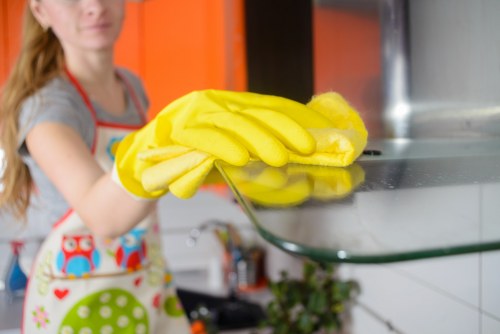
End of tenancy cleaning in N16 usually goes far beyond a standard weekly clean. It is a deep and detailed service designed to restore a property to a tidy, presentable, and hygienic condition. While exact requirements can vary, the main goal is always the same: every room should be cleaned thoroughly from top to bottom.
Common tasks often include dusting skirting boards, wiping internal doors, cleaning light switches, polishing mirrors, removing limescale, degreasing kitchen surfaces, and sanitising bathrooms. Floors are usually vacuumed and mopped, while cupboards, drawers, and shelves are cleaned inside and out. If carpets, ovens, or windows need extra attention, those areas are typically addressed as part of the full service.
It helps to think of end of tenancy cleaning as a reset for the whole home. Unlike routine cleaning, which focuses on keeping a property neat, this process aims to make the property inspection-ready. In practical terms, that means no neglected corners, no sticky residues, and no visible dirt in the areas most likely to be checked.
Typical Areas Covered in a Full Clean
When people search for end of tenancy cleaning in N16, they are often trying to understand what is included. A standard full clean may cover the following areas:
- Kitchen cupboards, drawers, and worktops
- Oven, hob, extractor fan, and splashback
- Fridge, freezer, and other appliances if requested
- Bathroom tiles, toilet, sink, bath, shower screen, and taps
- Living room and bedrooms, including skirting boards and wardrobes
- Hallways, stairs, banisters, and internal doors
- Windows, frames, ledges, and accessible glass surfaces
- Floors, carpets, rugs, and hard flooring
Some properties need additional attention because of pets, smoking, heavy cooking, or long-term occupancy. In those cases, deep cleaning may be especially important. A property in N16 with period features, sash windows, or high ceilings may also need more time and careful detail than a modern flat.
For best results, every clean should be tailored to the property rather than treated as a one-size-fits-all task.
How Cleaning Expectations Can Differ
Different landlords and agencies may have slightly different expectations, but the principle remains the same: the property should be left clean enough for the next occupant to move in with minimal additional work. That is why end of tenancy cleaning in N16 often includes both visible cleaning and detail work in harder-to-reach places.
Why N16 Properties Often Need Extra Attention

End of tenancy cleaning in N16 can be more demanding than many people expect because local properties come in a wide range of styles. Some homes in the area have older layouts, decorative mouldings, and original fixtures that require careful attention. Others are modern apartments with fitted appliances and open-plan living spaces that accumulate dust and grease in different ways.
Older buildings may have more detail to clean, including coving, window tracks, and timber frames. Modern homes, on the other hand, may need more intensive work in kitchens and bathrooms where grime builds up around seals, tiles, and integrated appliances. Shared homes and HMOs may also involve more wear and tear, which means a more strategic approach is needed.
Location matters because it affects how a property is lived in, cleaned, and checked. In N16, where rental demand remains strong, letting properties stand out through proper presentation is useful for both landlords and tenants. A sparkling kitchen, fresh bathroom, and dust-free living area can influence how a property is viewed during inspection or re-marketing.
A Room-by-Room Approach to End of Tenancy Cleaning
One of the most effective ways to handle end of tenancy cleaning in N16 is to work room by room. This keeps the process organised and helps ensure that no area is overlooked. It also makes it easier to estimate time, supplies, and effort.
In the kitchen, the main focus is usually grease, food residue, and appliance build-up. In the bathroom, the priorities are limescale, soap scum, and sanitising surfaces. Bedrooms and living areas often require careful dusting, vacuuming, and attention to corners, while hallways and stairs may need extra work because they receive the highest foot traffic.
Here is a simple structure many people follow:
- Remove clutter and personal belongings
- Dust from high points down to lower surfaces
- Clean cabinets, shelves, and fixtures
- Degrease, descale, or sanitise where needed
- Vacuum and mop floors last
The Kitchen: Often the Hardest Working Room
The kitchen is often the most time-consuming part of end of tenancy cleaning. Grease can collect around hobs, splashbacks, extractor fans, and cupboard handles. Oven interiors and trays may require strong degreasers or specialist equipment. If the kitchen has been used heavily, even small areas like bin cupboards or under-sink spaces can need deep attention.
Clean kitchen presentation is especially important because it creates an immediate impression of overall hygiene. A spotless kitchen suggests the property has been cared for properly, while a greasy or sticky kitchen can suggest the opposite.
Bathrooms, Bedrooms, and Living Spaces

Bathrooms deserve careful treatment during end of tenancy cleaning in N16 because limescale, mould, and water marks can build up quickly. Taps, shower screens, tiles, grout, toilets, sinks, and mirrors often need detailed cleaning. Even small oversights in this room can be noticeable during an inspection, so it is worth taking the time to get it right.
Bedrooms and living rooms may look cleaner at first glance, but they still require thorough work. Dust gathers on skirting boards, behind furniture, around sockets, and on shelves. Cupboards and wardrobes should be emptied and wiped down. Window ledges, light fittings, and radiators are also common places where dirt collects over time.
For many tenants, these rooms are simpler than the kitchen or bathroom, yet they still matter. A fresh, dust-free living space helps the property feel well maintained and move-in ready. That is exactly what end of tenancy standards are designed to achieve.
Soft Furnishings and Flooring
Depending on the property, flooring may also need special treatment. Carpets can trap dust, pet hair, and stains, while hard floors may need mopping and polishing. Rugs, runners, and fabric furnishings often benefit from a more detailed clean, especially if the tenancy lasted a long time or the home hosted frequent visitors.
End of tenancy cleaning does not always include specialist stain removal, but where needed, additional treatments may help restore the best possible appearance.
What Makes a Cleaning Service Effective?

An effective end of tenancy cleaning in N16 service depends on planning, detail, and consistency. It is not enough to make a property look tidy at first glance. The real value comes from reaching areas that are often missed during normal day-to-day cleaning.
A good result usually comes from using the right products, the right sequence, and enough time to complete the task properly. Cleaning agents should match the surface being cleaned, especially for delicate materials such as natural stone, stainless steel, painted wood, and glass. Using the wrong product can cause streaks, damage, or dull patches, which is the opposite of what you want during a move-out clean.
Efficiency is also important. A structured approach helps ensure that bathrooms are descaled, kitchens are degreased, floors are finished properly, and dust is not simply moved from one area to another. In practice, the best end of tenancy cleaning is both detailed and methodical.
Useful Cleaning Priorities
- Start with dry dusting before applying liquids
- Tackle the dirtiest areas first, such as kitchens and bathrooms
- Finish with floors so debris is not redistributed
- Check corners, edges, and behind furniture
- Inspect the property after cleaning for missed marks
Common Mistakes to Avoid During End of Tenancy Cleaning
Even with good intentions, many people make avoidable mistakes when handling end of tenancy cleaning in N16. One of the biggest is underestimating how long the work will take. A normal weekend clean and a final move-out clean are very different tasks. The latter takes more planning, more products, and more attention to detail.
Another common mistake is focusing only on what can be seen at eye level. Inspectors and landlords may check behind appliances, inside cupboards, under sinks, and along skirting boards. If these areas are dusty or greasy, the overall impression of the property can suffer, even if the rest looks tidy.
It is also easy to forget areas such as light switches, door handles, extractor covers, and window tracks. These small details matter because they show whether the property has been properly maintained. A move-out clean should feel complete, not rushed.
Examples of Overlooked Spots
- Top edges of doors
- Behind radiators
- Inside kitchen drawers
- Shower curtain rails
- Ceiling corners with cobwebs
If you want a strong result, treat every surface as though it will be inspected closely.
How to Prepare Before the Cleaning Starts
Preparation can make end of tenancy cleaning in N16 far easier and more efficient. The first step is to remove all personal items, rubbish, and leftover food. Empty cupboards, wardrobes, and drawers so the cleaning process can reach every internal surface. If furniture is being moved out, do that before deep cleaning begins whenever possible.
It is also helpful to check the tenancy agreement and inventory report. These documents may clarify what condition the property should be left in and whether certain tasks are expected, such as carpet care or appliance cleaning. Knowing the requirements in advance helps prevent disputes later.
Make sure you have the right supplies ready. Depending on the property, this may include all-purpose cleaner, descaler, degreaser, microfiber cloths, vacuum cleaner, mop, gloves, and specialist cleaning products. If the job is large or time-limited, professional support can save a great deal of effort.
Preparation Checklist
- Pack and remove belongings
- Dispose of waste and recycling
- Defrost freezers if needed
- Unplug and move small appliances
- Allow enough time for drying and final checks
Benefits of Professional End of Tenancy Cleaning in N16
There are many reasons people choose professional end of tenancy cleaning in N16. The most obvious benefit is peace of mind. Moving home can be stressful enough without trying to manage deep cleaning alongside packing, removals, and administration. A professional service can reduce that pressure and help ensure nothing is missed.
Another benefit is consistency. Experienced cleaners usually follow a detailed process that covers the areas most commonly checked during final inspections. That means a stronger chance of meeting tenancy expectations and leaving the property in excellent condition. For landlords and agents, this also helps reduce turnaround time between tenancies.
Professional cleaning can also be a practical choice when the property is large, heavily used, or in need of intensive attention. In cases involving pet hair, limescale, oven grease, or long-term buildup, a trained team often has the equipment and techniques needed to handle the work more effectively.
Why It Can Be Worth the Investment
- Saves time during a busy move
- Helps improve inspection outcomes
- Reduces physical effort and stress
- Supports a stronger first impression for new tenants
- Can be more efficient than attempting a full clean alone
For many people, booking a service is not just convenient; it is a smart move that supports a smoother transition.
End of Tenancy Cleaning and Deposit Protection
One of the main reasons people search for end of tenancy cleaning in N16 is to protect their deposit. While cleaning alone does not guarantee the return of a deposit, poor cleaning is one of the most common reasons deductions happen. Marks, residue, stains, and neglected areas can lead to disputes that are time-consuming and frustrating.
That is why a careful, documented approach matters. If the property is cleaned thoroughly and any special issues are addressed, tenants are in a much better position during checkout. It is also wise to keep records, receipts, or confirmation of any specialist services used, such as carpet or oven cleaning.
For landlords, clean properties also reduce the likelihood of complaints from incoming tenants. A fresh, hygienic space sets the right standard from day one and helps build trust in the property management process.
How Cleanliness Supports a Smooth Handover
A well-cleaned home is easier to inspect, easier to photograph, and easier to rent again. It also reduces the chance of last-minute issues being raised after the tenancy ends. In short, end of tenancy cleaning is one of the simplest ways to support a clean and fair handover.
Final Thoughts on End of Tenancy Cleaning in N16
End of tenancy cleaning in N16 is more than a finishing touch. It is a key part of moving out properly, protecting a deposit, and leaving a property in the right condition for the next resident. Because homes in N16 vary so widely, the most successful approach is one that combines structure, detail, and the right level of effort for the specific property.
Whether you are dealing with a compact flat, a shared home, or a larger family property, a thorough end of tenancy clean helps create a smoother experience for everyone. Kitchens, bathrooms, living spaces, and hidden corners all deserve attention. With a room-by-room plan and the right cleaning priorities, you can achieve a result that looks and feels complete.
If you are preparing to move, now is the right time to act. Contact us today to arrange end of tenancy cleaning in N16 and take one major task off your moving checklist. If you prefer a hassle-free option, book your service now and focus on settling into your new place with confidence.